 I didn’t need Marie Kondo to tell me to get rid of half my stuff.
My mom is a master purger and she taught me well. Space, light, absence of clutter — these things are their own reward and it is worth sacrificing your stuff to obtain them. I routinely cull through my belongings to eliminate things that are unwanted, unused, or out of place. Living in a small apartment in a big city has taught us that minimalism has to be a lifestyle to avoid feeling suffocated by our stuff. We aren’t as sparse as some are, but we do resist having things around that aren’t useful or loved.
This means that there isn’t a lot of space in our lives for sentimental stuff. I don’t keep t-shirts because they are from some college event that I loved, and I read and love letters — and then have to throw them away. Cards are enjoyed and then tossed, momentos are studied and then abandoned. Memories are what matter, I preach. Things are just things, I practice. My phone and computer are filled with photos of the moments I want to hold onto, but I keep physical traces of these moments as trim as possible. And as a result, I feel at peace in my home, uncluttered physically and mentally.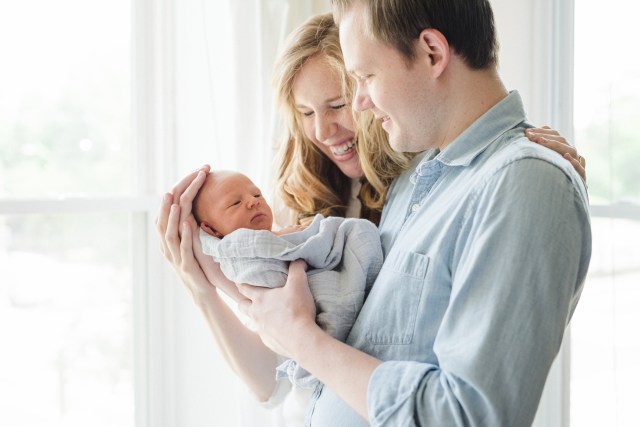

My dad is a professor of Old Testament and has been working on establishing a center for archeological studies at the seminary where he teaches. He frequently participates in digs in the Holy Land and he can regale you with stories of pottery fragments, vases, and other old things that take on a whole new meaning when they are slowly removed from layers of sacred dirt. Artifacts, traces of another world, pieces of time that pass from one era to the next — that is what he loves. These remnants hold stories within themselves.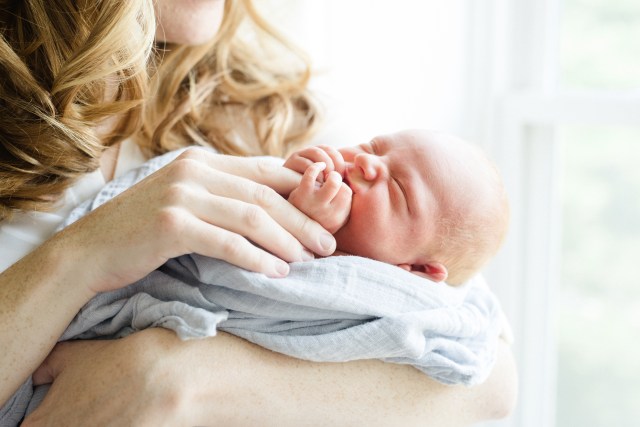
We don’t have much from my dad’s childhood, no saved old clothes or childhood toys. When his mother died while I was in college, a family friend helped my mom go through some things from my grandmother’s home and she found a tiny baby bracelet. She kept it and gave it to me at my baby shower in Kentucky, a tiny beaded bracelet with his name on it, mounted in a little box. I have that box sitting on a shelf in Henry’s room, the only artifact we have from my dad’s early years. On one hand, it doesn’t matter. It isn’t valuable, not having it doesn’t change the fact that he was born, and it is just another thing to sit around. But it is just a little artifact of his childhood, and it stops me every time I walk past. 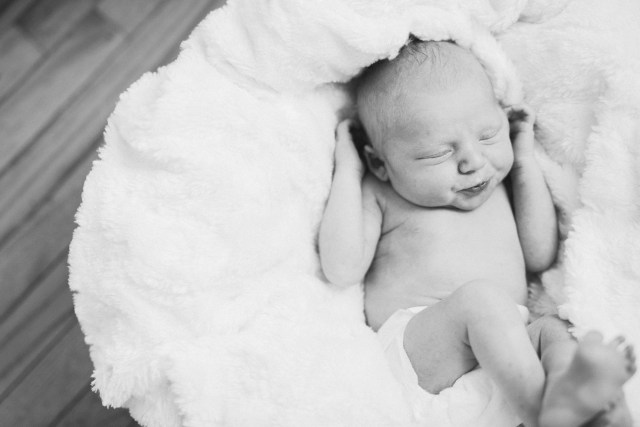
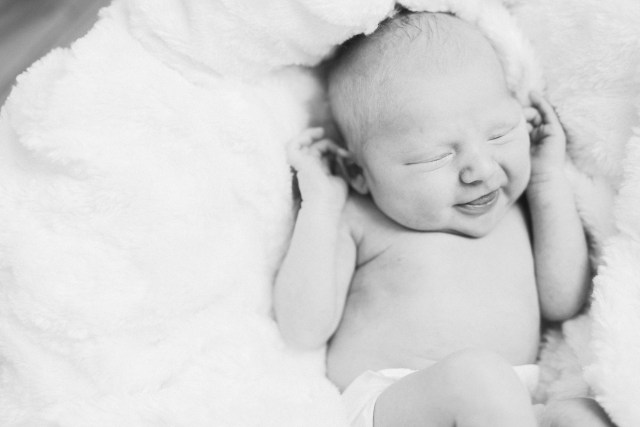
It started towards the end of my pregnancy, this desire to save things. I couldn’t bring myself to toss out the invitations to the showers people threw for our baby, and I started folding blankets and tiny outfits to stock the dresser and they seemed immeasurably precious even before they ever touched our little son. I started imagining the years of school projects and favorite stuffed animals and firsts that I would want to cherish forever. 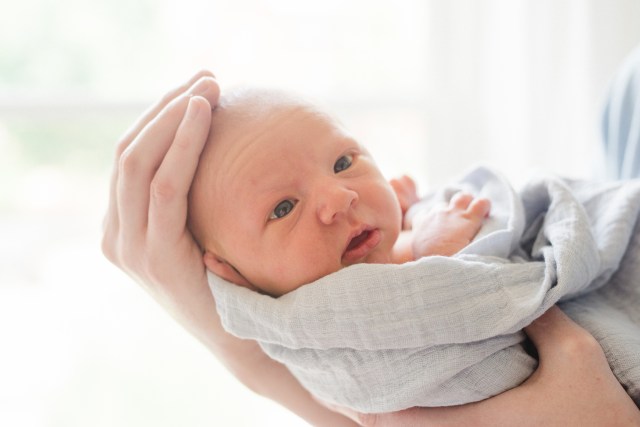
And now? Now I find myself grasping at all the physical traces of his birth and his life. I have a stack on my desk of his hospital bracelets, the card that was stuck in his rolling bassinet, the little cap and blanket he had when they put him in my arms. Our minimalist life has no place for these things, but my heart has no way to toss them out. I have a post-it note on the counter that just says “memory box for H,” because I am desperate not to let these early weeks disappear. I want to gather up all the physical traces from them, every remnant, and box them up in a desperate attempt to save something from the effects of time.
Because the truth that runs deep in our culture, in direct opposition to rampant materialism, is that things are just things. That they don’t matter, that they are replaceable. We horde digital things, but they usually don’t cross the threshold into physicality. Photos go un-printed, emails replace letters, and we are left with nothing to hold in our hands of the beautiful and real lives that we are living. Things are seen as just things and so we forget that sometimes they are so much more.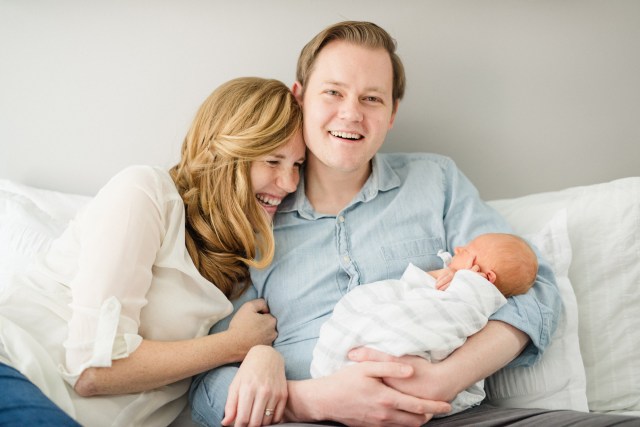
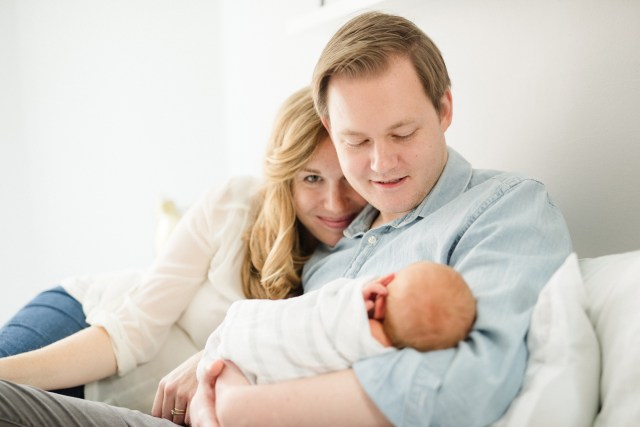
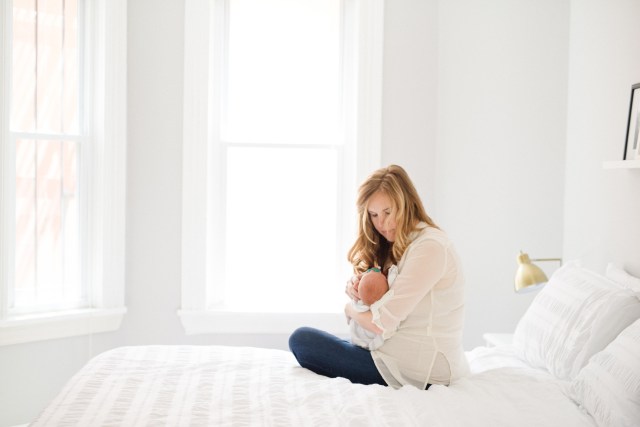
We are living in a world without artifacts, without relics, without a value placed on saving tokens of everyday existence and believing that they are powerful. We are both horders and purgers, but very rarely treasurers. I didn’t think about this much until I started watching the days slip by in Henry’s life and I started wondering how I can save them – what I can save of them.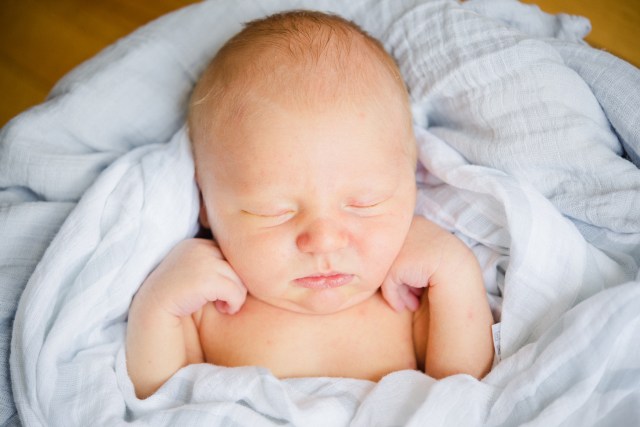
My mom spent the past two weeks with us, and along with taking care of our every need, she brought the notebook that she filled with memories from my first year of life. She and I laughed over those entries, and cried over them too. She was able to share a part of myself with me that she knows better than I ever could.
Because that’s what everyday objects, everyday memories, become if you preserve them: artifacts that can recreate the past. Yes, I want our lives to be free from the clutter of too much stuff. But watching my son change by the day also reminds me that I want a life free from clutter, but commemorated by some special stuff. A life marked by artifacts that hold these days within themselves, that allow me to touch the past once it’s gone.
Because go it will, no matter how tightly I want to hold on. 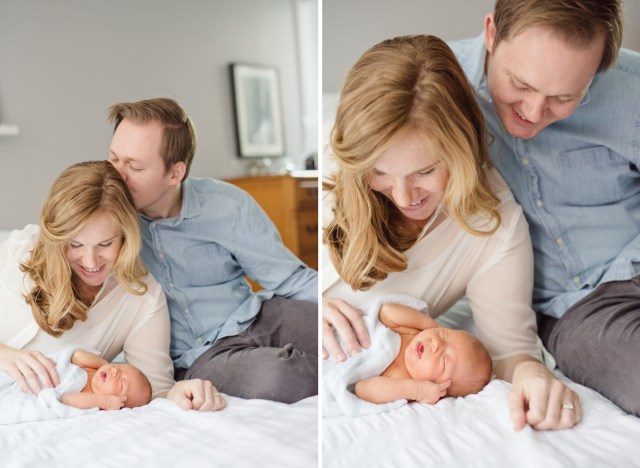
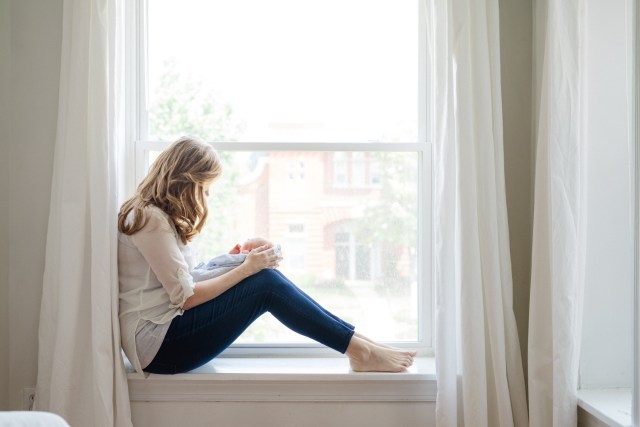
*These photos also help preserve baby Henry at 6 days old and they are by the ridiculously talented Alumbra Photography, baby whisperer extraordinaire.

 I am excited for him to get to the smiley baby stage, but honestly, this grumpy old man stage is the cutest. He is like a disgruntled ginger Winston Churchill all the time and I LOVE IT.
 I thrive on productivity. I am the doer of
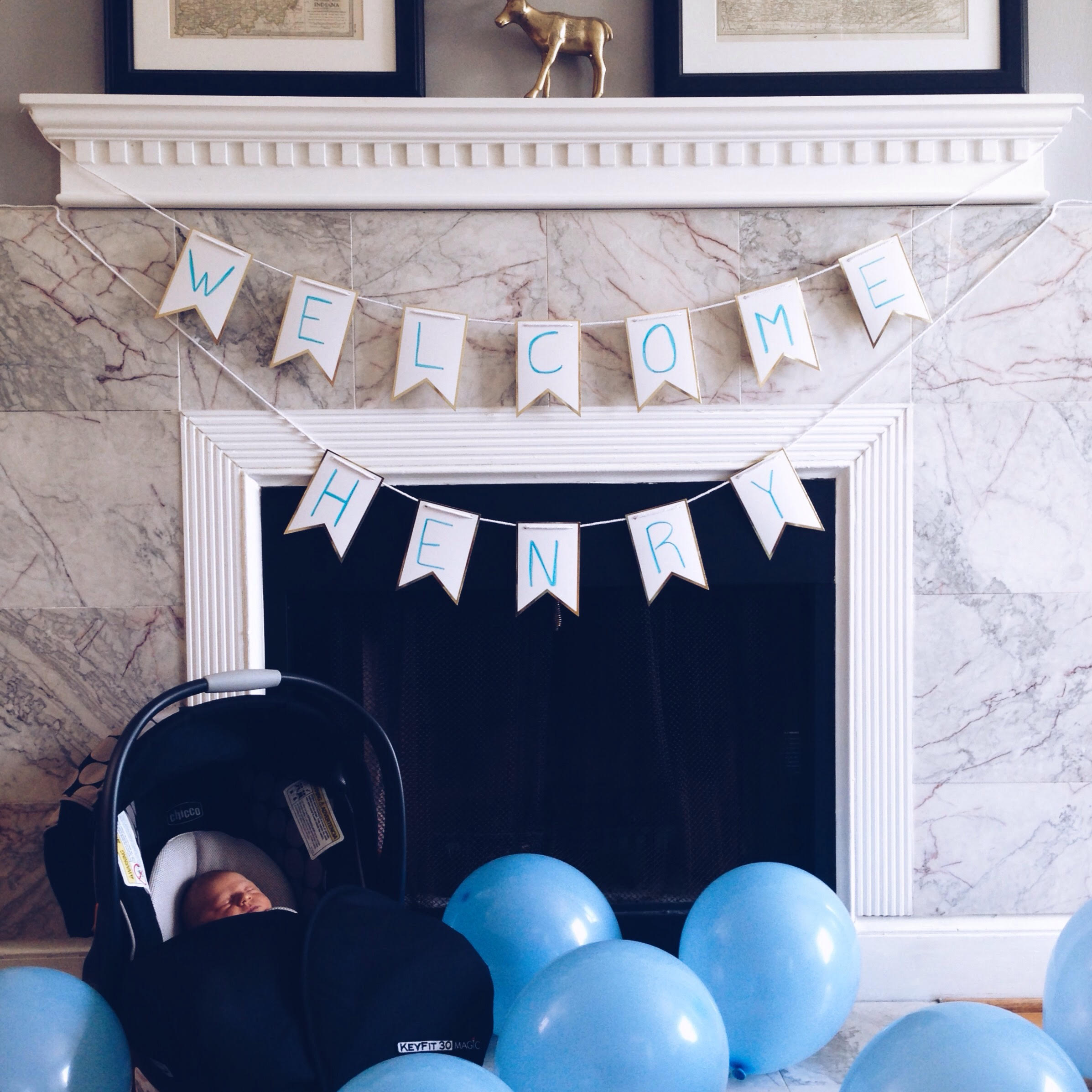
 Yesterday Henry turned one month old, so basically we are old pros at the parenting thing.
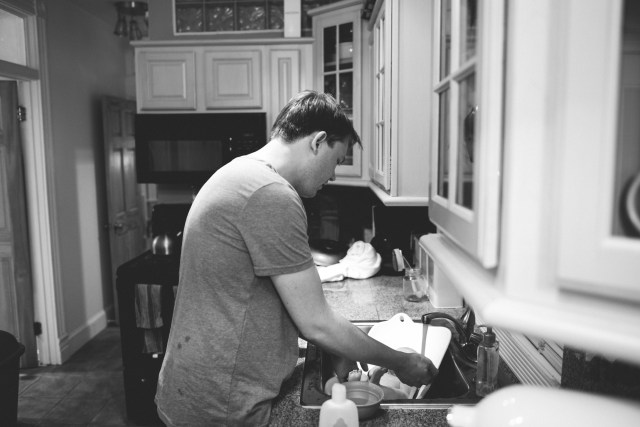
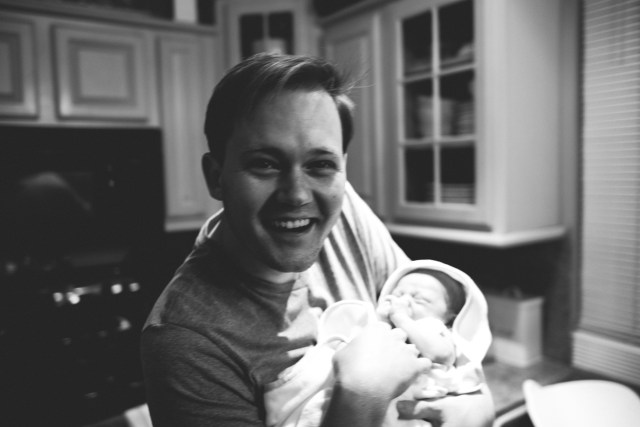





 I kept on looking for a good moment to sit down and type out a nice thoughtful blog post about life these days, but that moment never came. Or it did come, and it seemed a whole lot more important to actually go to the bathroom or eat something with two hands or shower. The new normal in our life has many fewer moments for waxing poetic on the Internet, but I’m ok with that. The new normal is an endless process of banal observations that seem life changing, little victories, and new experiences.
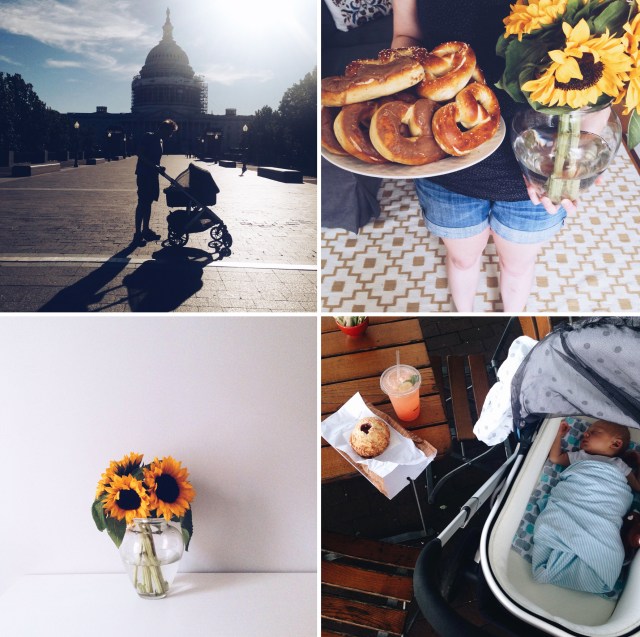 I spend at least 40% of my time these days sitting with Henry in my arms, either nursing, or incapable of moving because he is sleeping so peacefully and I just can’t put him down. I know that eventually (read: “next week when James is back at work so I will officially be solo for the first time”), I will have to just put him down and let him cry so I can get some things done, but we just aren’t there yet. My captive position gives me lots of time for scrolling through my phone, reading the entirety of the Internet and pondering all sorts of weighty and trivial matters. Should you also find yourself trapped somewhere in need of some distraction, here are some of my late night cyber wanderings.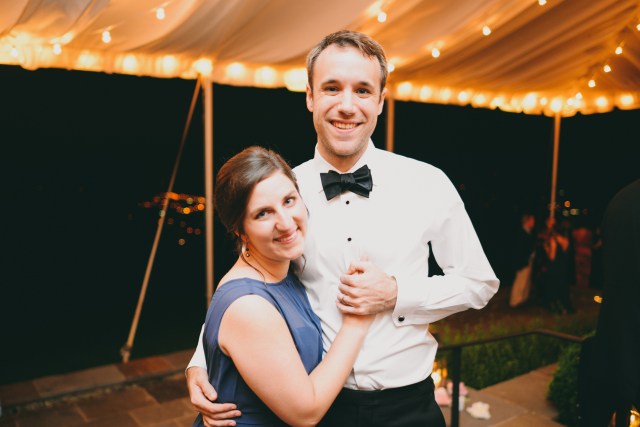

 Dancing with my new sister!!!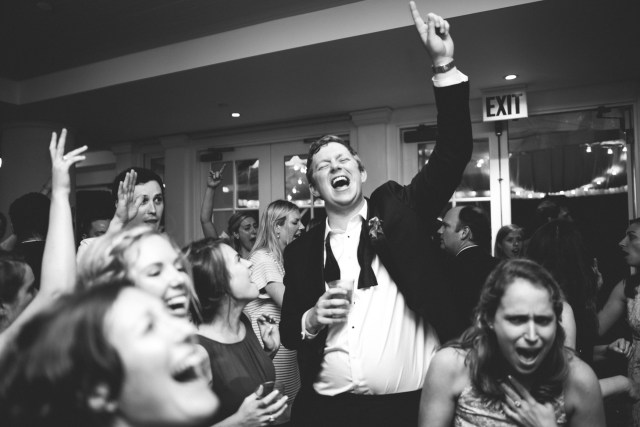
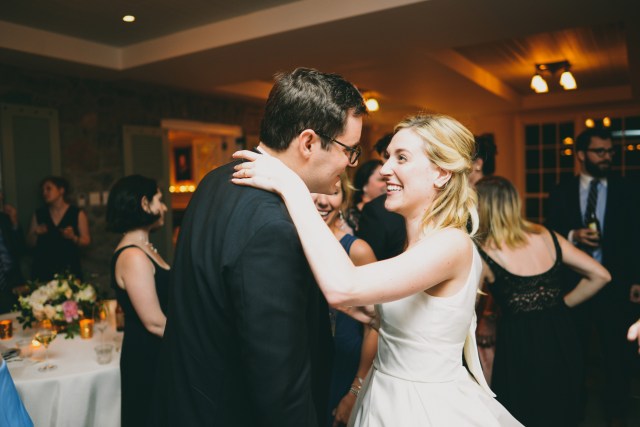
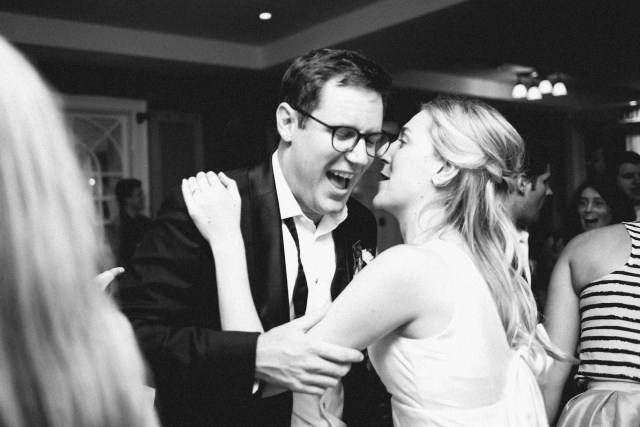
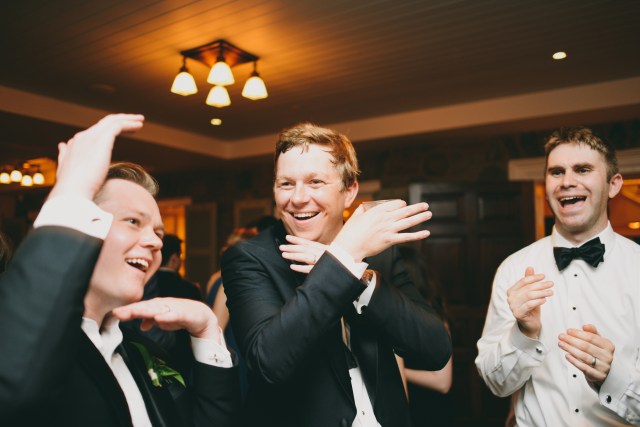 These three TORE IT UP all night. Charlie (far right) and his wife are friends that we love getting to see, and we were bummed when Ellie couldn’t make it. Even though her due date for her second child wasn’t until mid June, she was showing signs of coming early. Charlie came… and then woke up to a text early Sunday morning to COME HOME. He dashed back to KY and welcomed a little boy hours later! Something about this wedding… it made all the babies come early!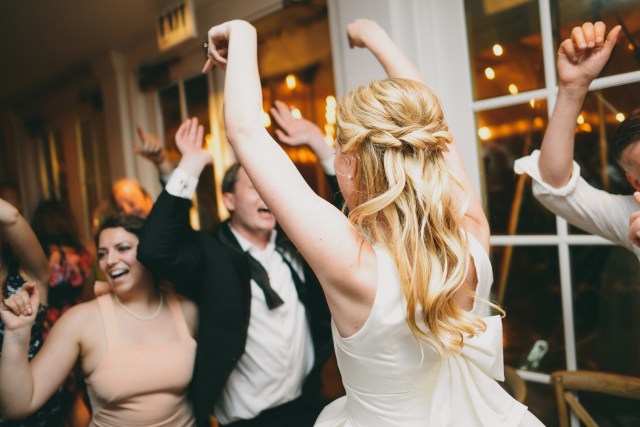
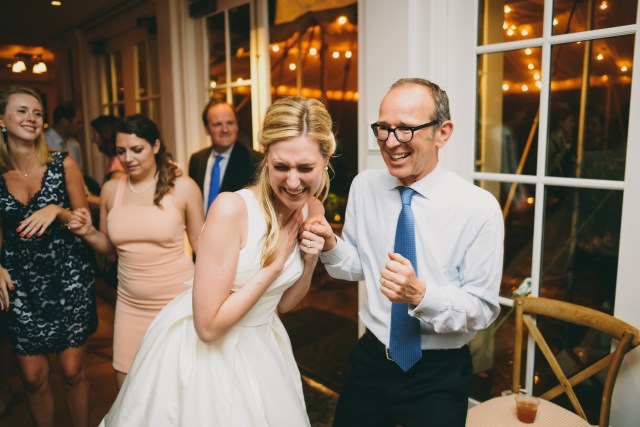
 My people!
  My brothers have excellent taste in women. Those two ladies bless my life more than I could have ever imagined.
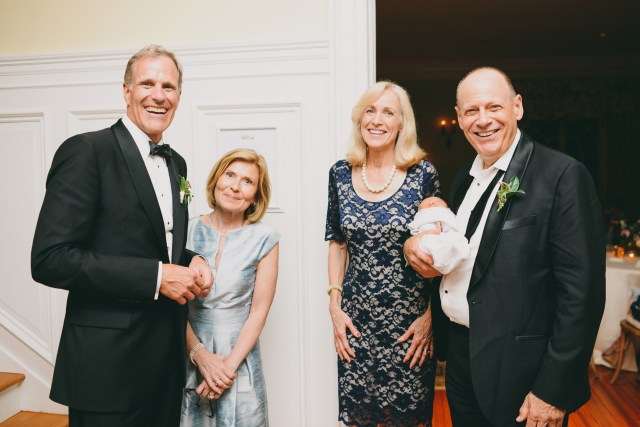 Two sets of very proud parents…
 …and one extra proud grandpa! My mom spent the week before and after the wedding with us in DC helping out, but the wedding weekend was the first time my dad met Henry. He is one very smitten grandfather!
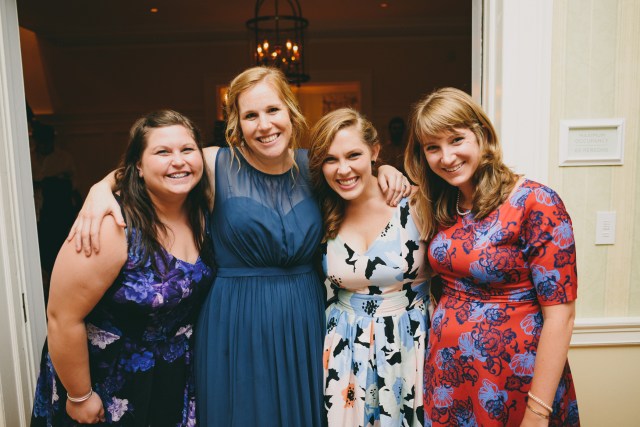 These ladies. Childhood besties who spent a lot of the wedding holding my child so I could celebrate my brother.
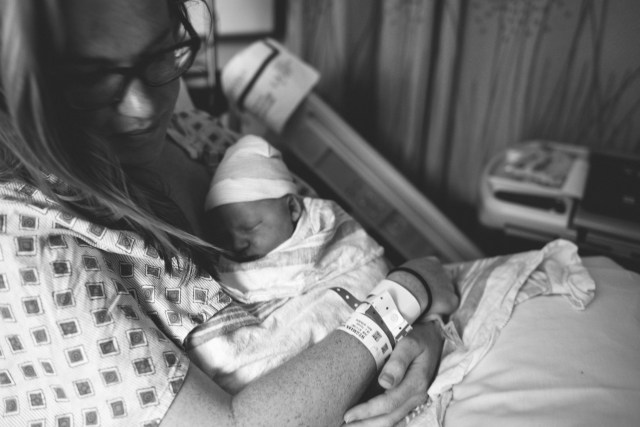 The moment that they announced that they would be letting me stay at the hospital and have a baby. Every birth is different, and mine was so different than what I expected, namely the charting of contractions and the anticipatory car ride as I huffed and puffed and counted. If you follow on Instagram, you may have seen me posting about trying to walk this baby out, and you might have done the math and rolled your eyes at my impatience as I was 37-38 weeks along rather than 40. There is a reason for this. At my 37 week appointment they told me that I was 3 cm dilated and that they would not be letting me go to my brother’s wedding on June 4th pregnant. Instantly, I burst into tears, begging for an induction, which they can’t do without reason before 39 weeks. People- I scheduled one for June 1st, and ACTUALLY THOUGHT I COULD BE IN A WEDDING ON JUNE 4TH. Laugh with me. But in the meantime, I started doing everything I could to get labor started. When my 38 week appointment rolled around, I had still experienced 0 contractions… which was why it was strange when the doctor checked and announced that I was at 5cm dilated. They did a membrane sweep and said that contractions should start soon… which never happened. All the following day I bounced, walked, even jogged, ate pineapple, chugged raspberry tea- NOTHING. Finally I called James during rush hour and just asked if we could go to the hospital to have them check for progress. We trekked out there, received some eye rolling when they strapped me into triage and watched for 20 minutes and found no contractions. But then they did a cervix check and found that I was at 7cm, 80% effaced, station 0, just not having any contractions. Given this strangeness and the fact that it meant that they had no clue how fast labor would go, they went ahead and announced I could stay, at which point I literally skipped down the hall to bare my back for that sweet, sweet epidural.
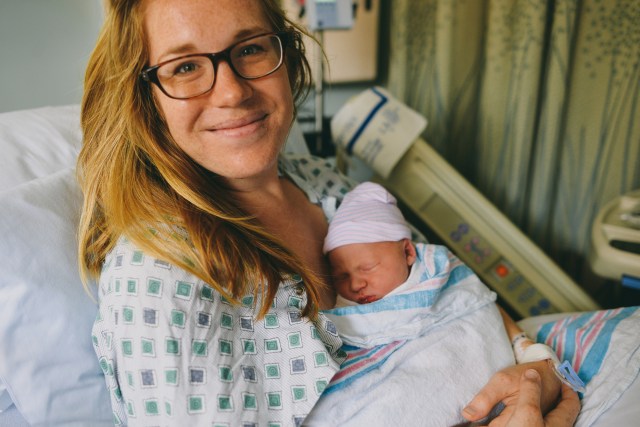 The moment I did finally feel a contraction (after having my water broken with still no contractions and then some strong Pitocin) and was able to hit my epidural button to crank it up. Um, I’m officially ruined for later babies if this scenario doesn’t repeat itself, because contractions are the worst. But by feeling a couple, I was relieved that this was HAPPENING, the baby was actually coming.
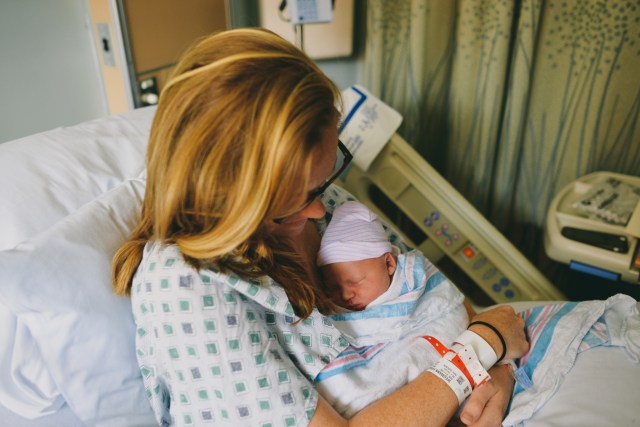 The moment where, after almost two and a half hours of pushing — punctuated with moments of despair where I kind of just wanted to give up and have them cut him out — the nurse announced that we would start seeing the head.
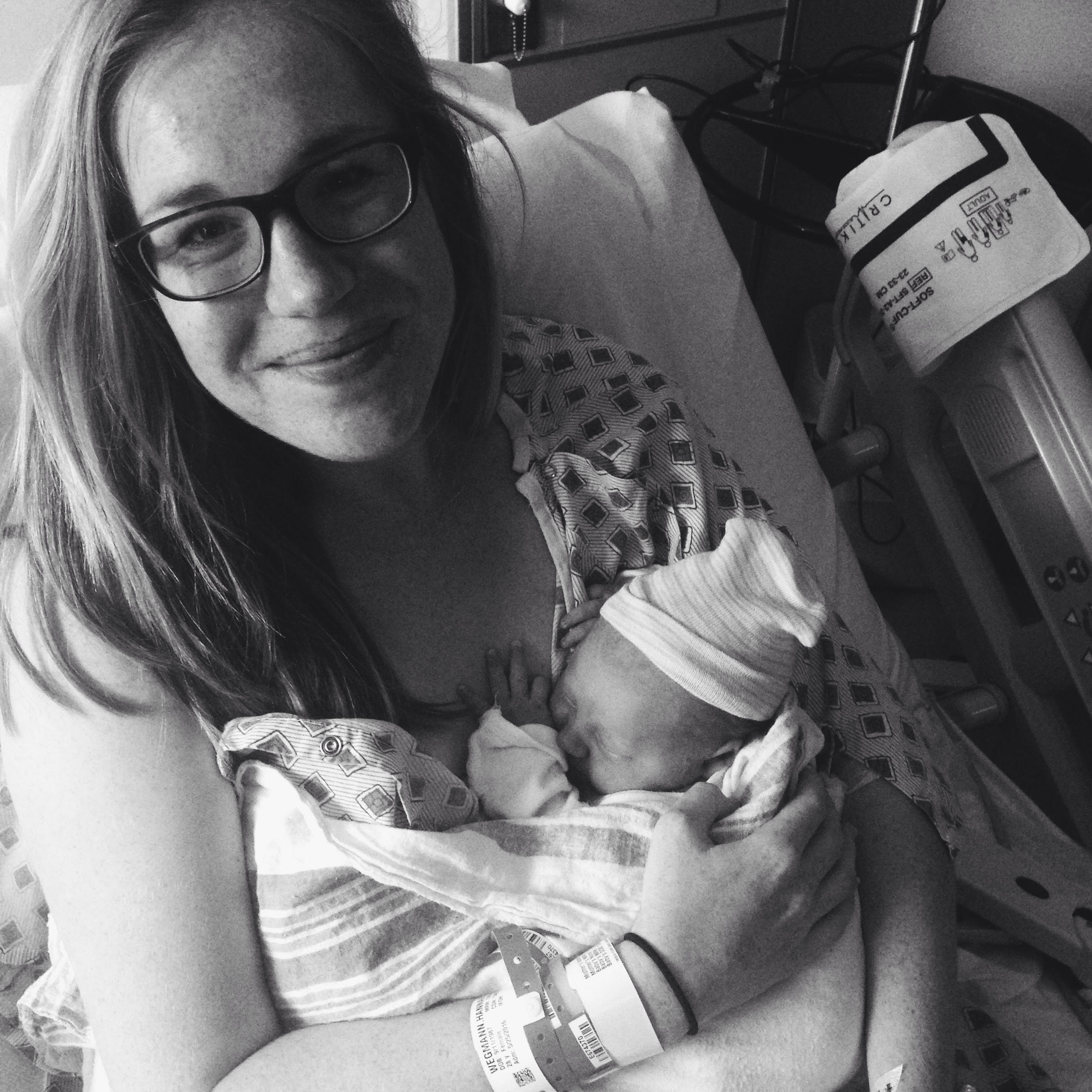
  Holding my son for the first time. Taking in every molecule of him, from his ginger hair, to his ridiculously long limbs, to his pointy head that was quickly and kindly covered in a hat.
  The breakfast burrito that I inhaled post birth. Maybe it was the pushing, but I maintain that it was one of the finest delicacies that I have ever eaten. Ok, so because I love cafeteria food, I actually loved every single time that I got to order something and have it show up on a tray. But the burrito was a true standout and I ordered it three times.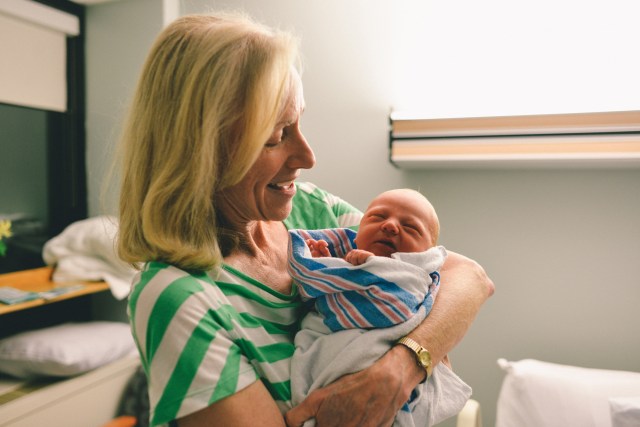
 Deciding on a name halfway through his first day, and then having an exhausted and holy moment praying for this baby by name there in our tiny hospital room.
 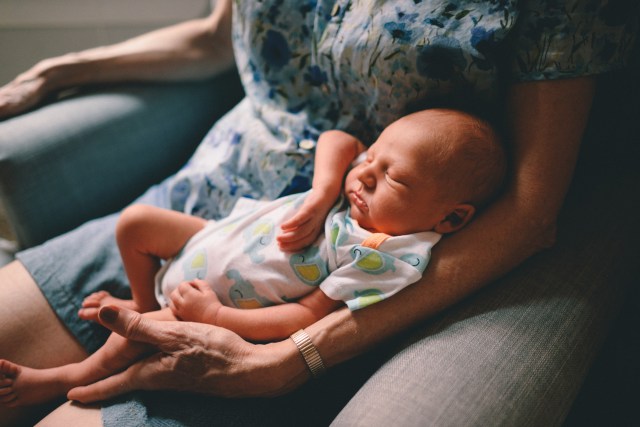 Watching our people meet our son. The stream of family and friends who flowed through that hospital, and through our home in the days following, have helped us experience the joy of him anew at every meeting.
  My friend Jackie had a baby recently and texted me, “It’s like holding an entire world!” And she’s right. From the months of planning for him to enter our world, to the moment of reality when he did, it feels surreal and natural and exciting and terrifying all at once. And we, James and I, people with no real clue what we are doing, we get the ridiculous privilege of caring for this little world and introducing him to the big one.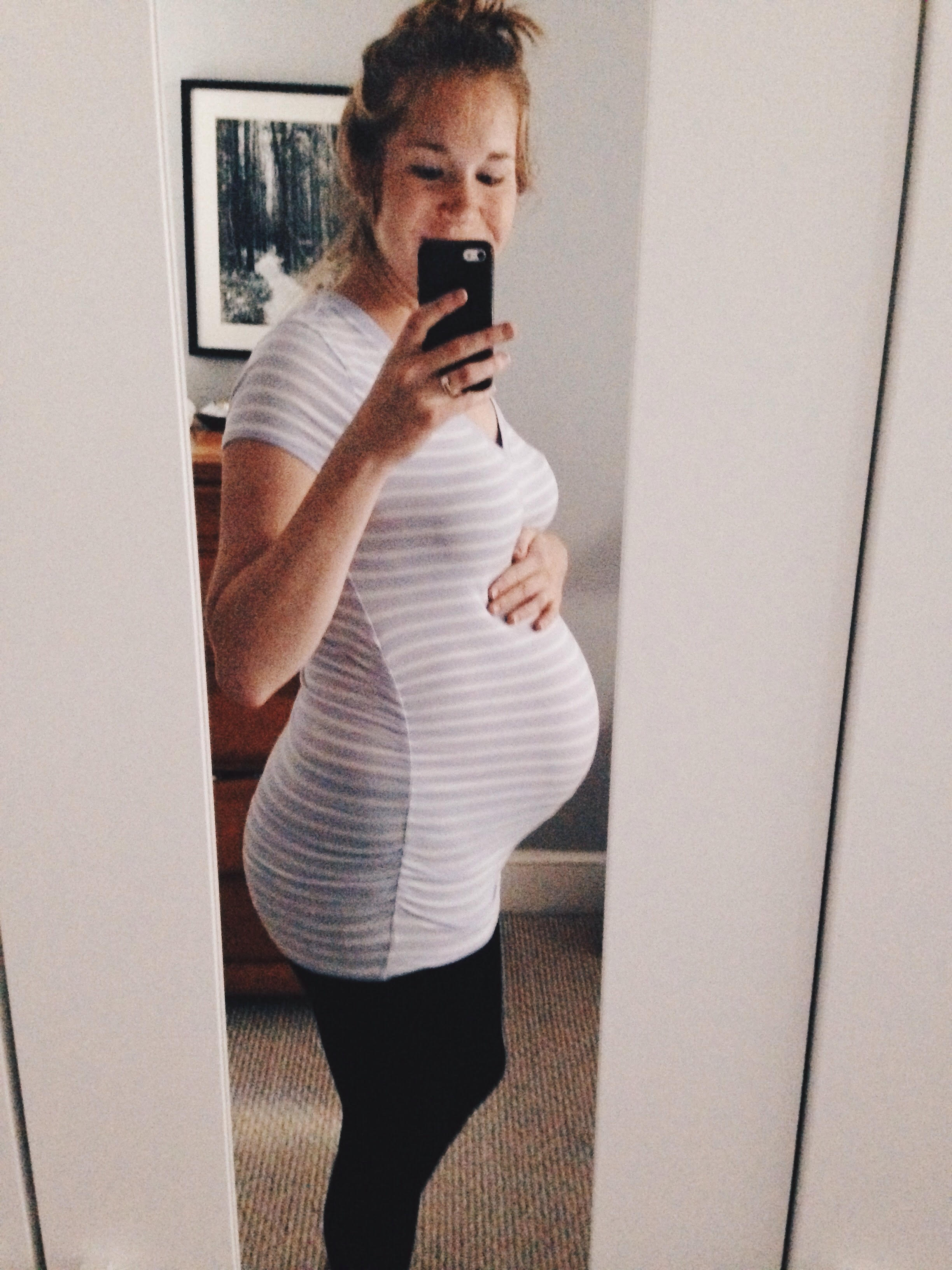


 I’ve been thinking lately about the intimate smallness of the big city that we live in.

 The Art in Life